

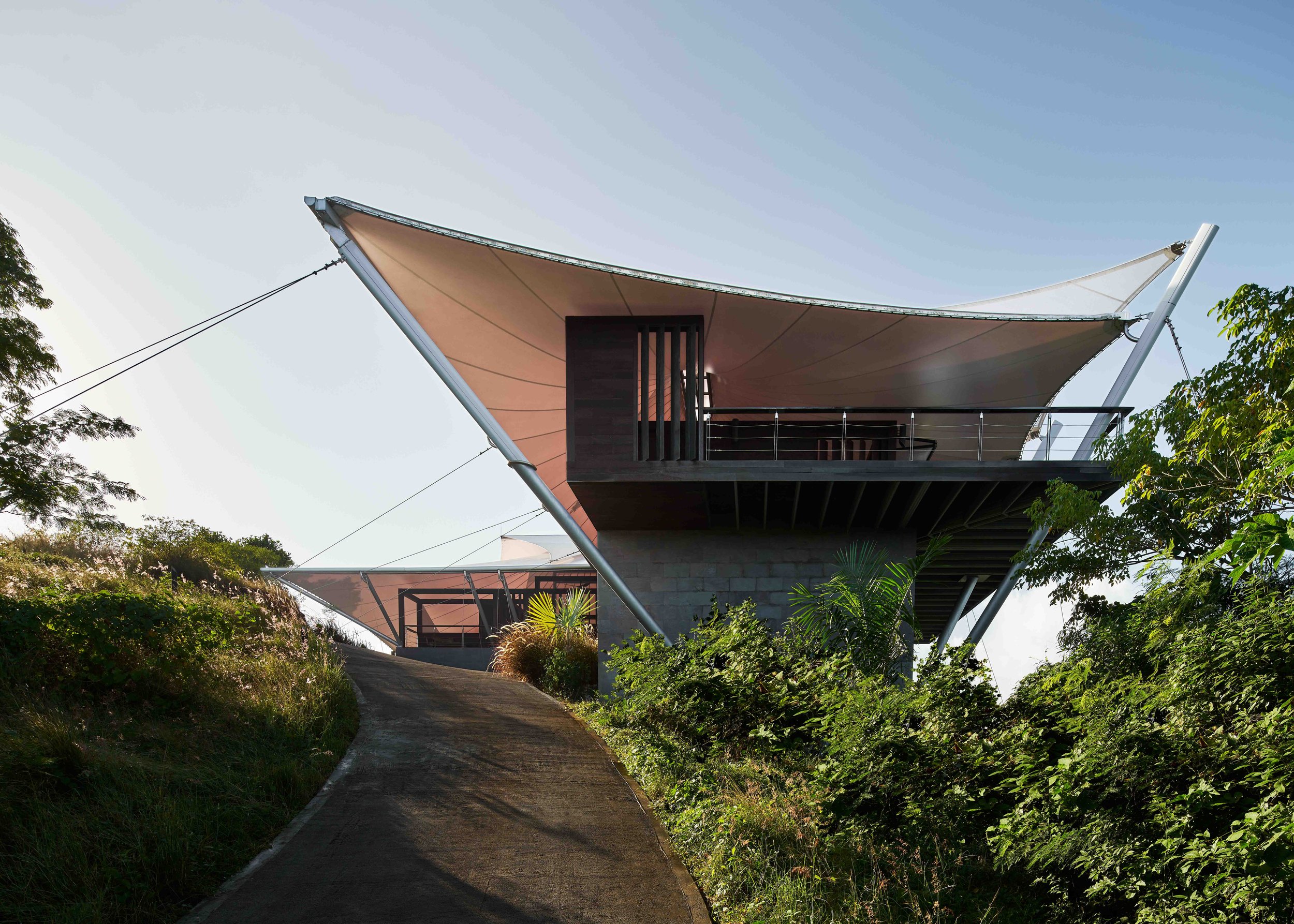





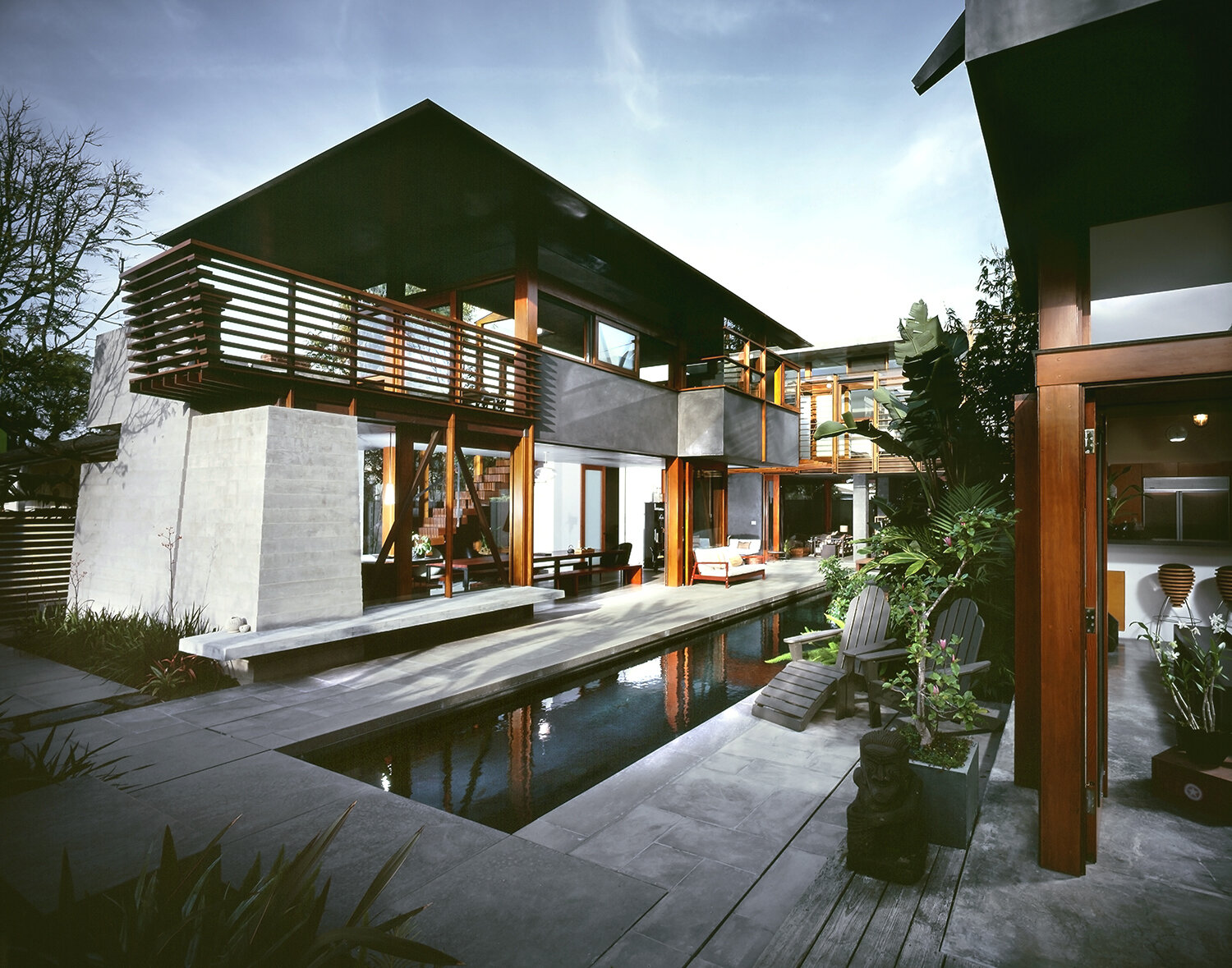
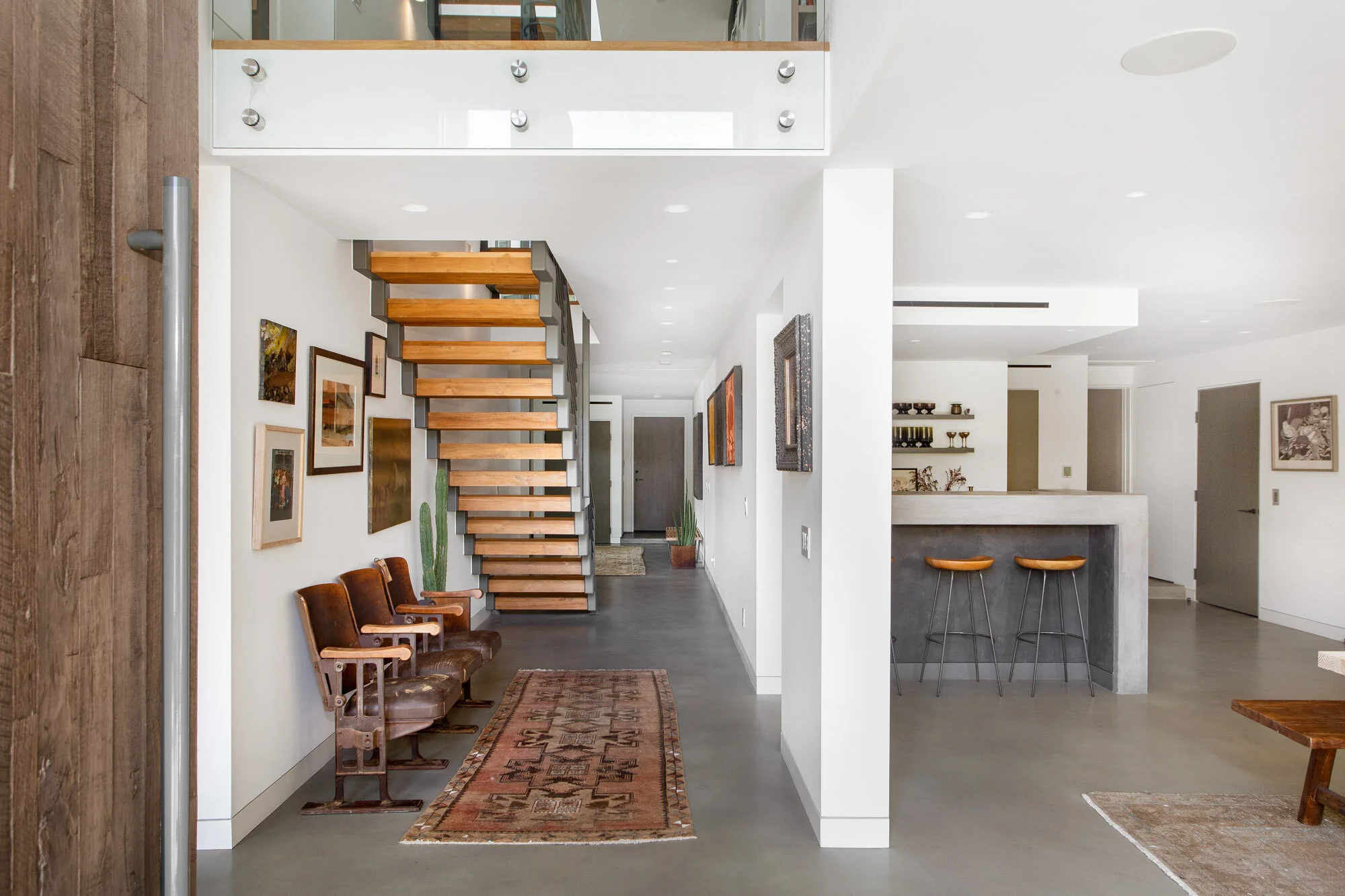
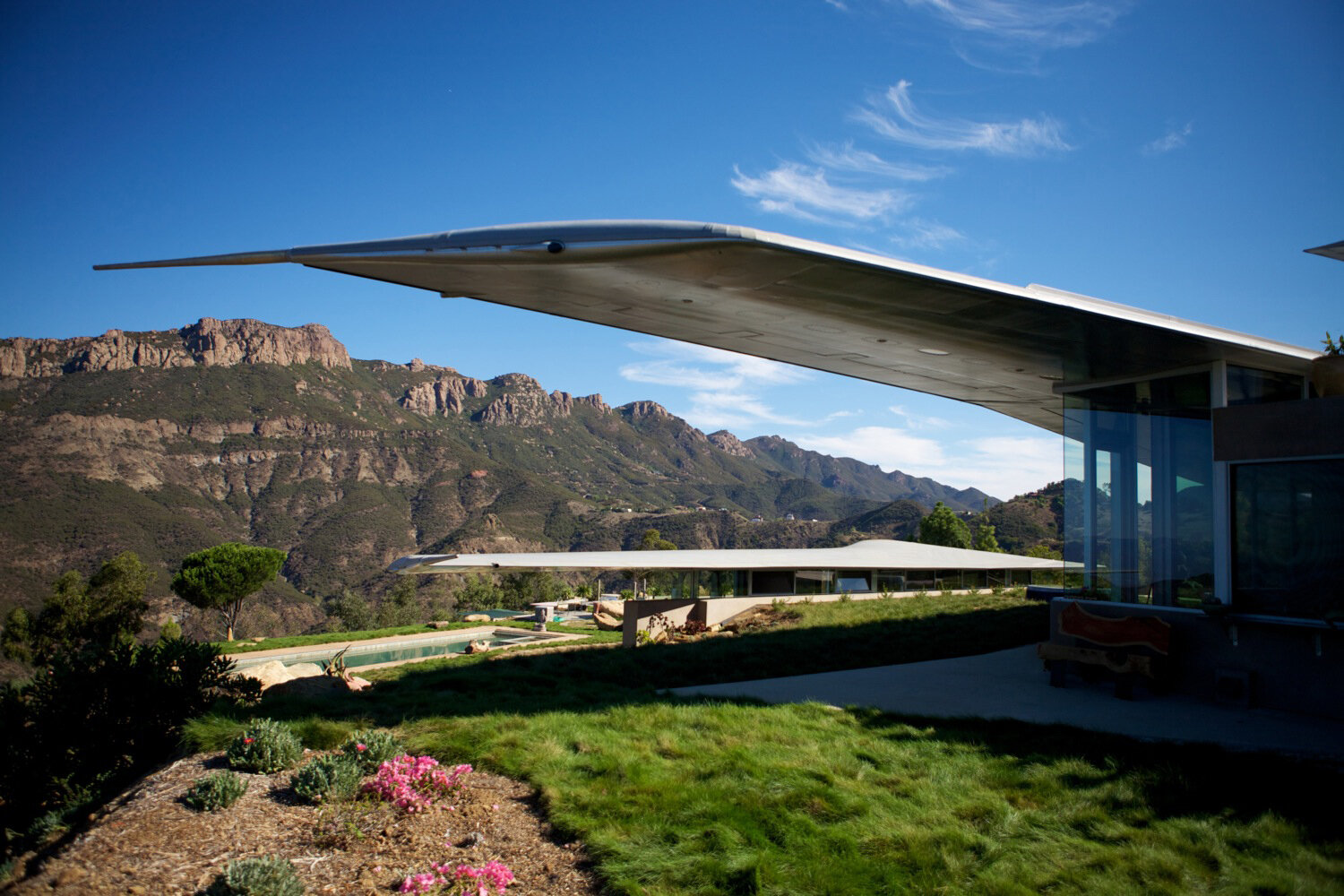
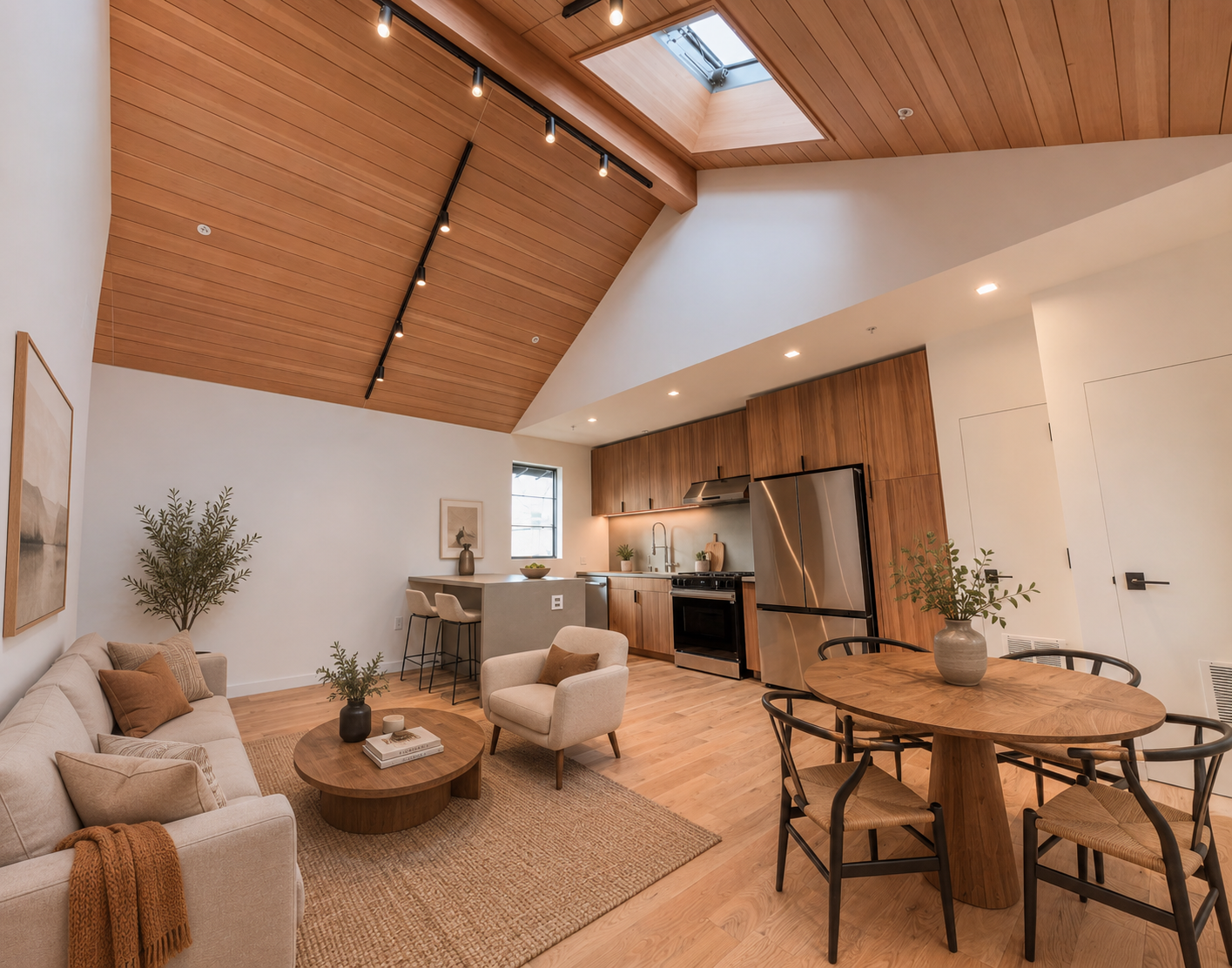






David Hertz Architects & Studio of Environmental Architecture is a full-service architecture and design firm. David Hertz brings over forty years of architecture and sustainable design expertise and experience in disaster recovery and fire rebuilding to commercial and residential projects.
Originating from Venice, California, SEA has designed numerous projects across Los Angeles, Malibu, Pacific Palisades, and Ventura and is working with clients and projects worldwide.
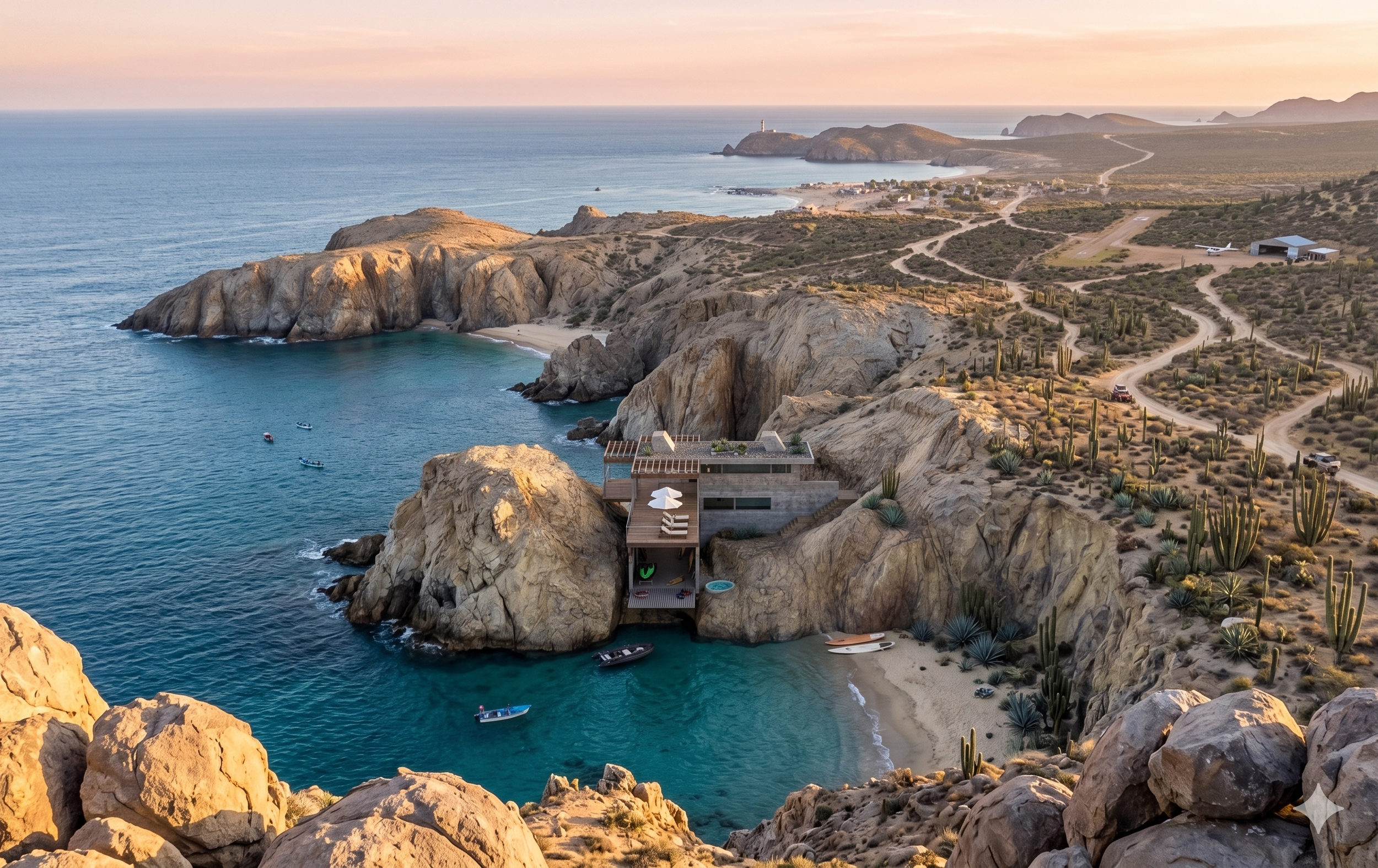


Rebuilding After the Fires: A Vision for Resilient Design
Wildfires are a stark reminder of the growing risks our communities face as climate change intensifies. Our hearts are with everyone affected by the devastating fires.
As a firm dedicated to sustainable and resilient design, we have witnessed the devastation that wildfires can inflict on the built environment and the lives of those who call it home. In destruction, there is also an opportunity to rebuild stronger, smarter, and more sustainably than before. The key to rebuilding in any fire-prone area is to integrate fire-resistant materials, passive design strategies, and smart technology to create homes that not only withstand wildfires but also contribute to a more sustainable future. Some fundamental principles include:
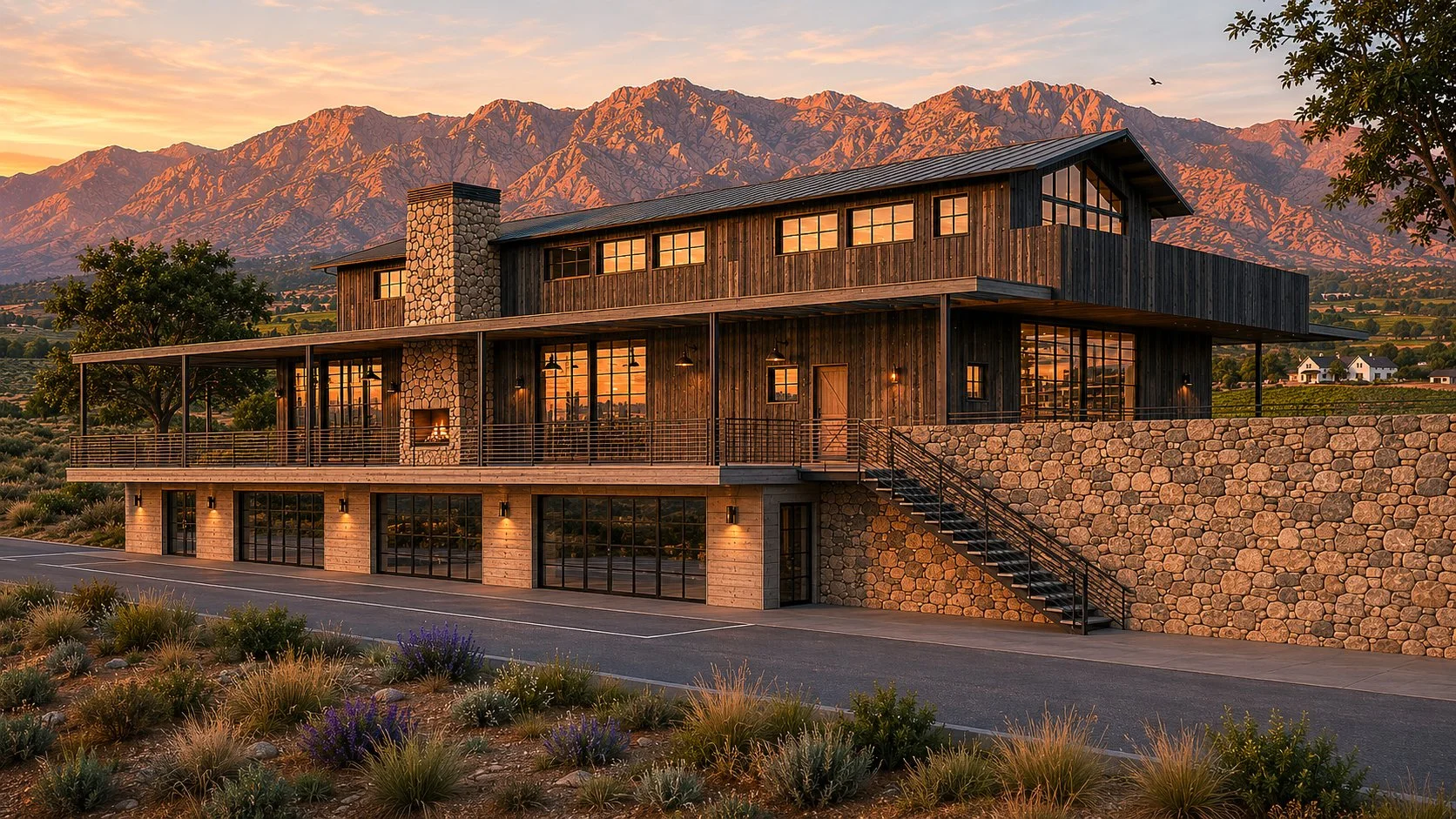
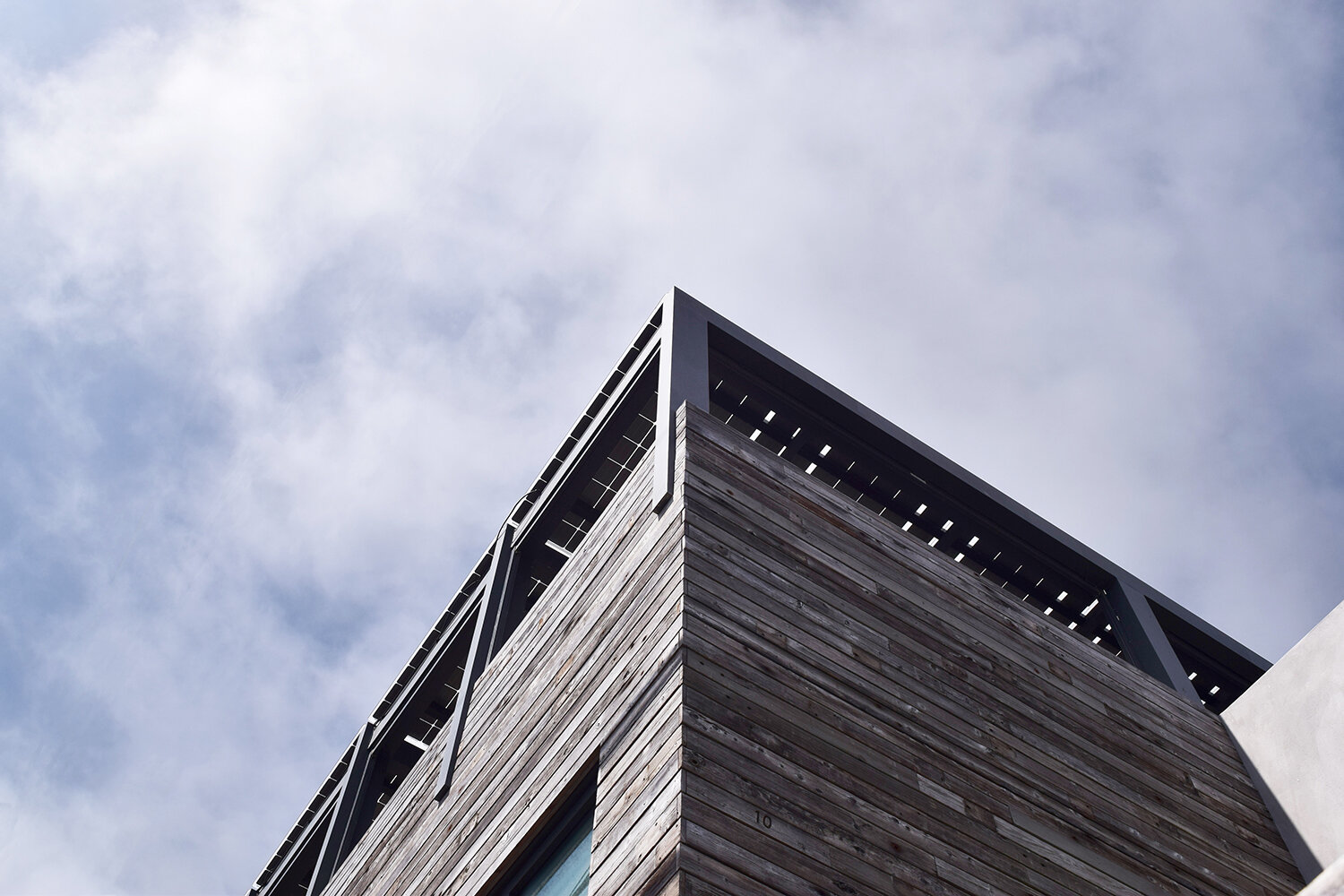
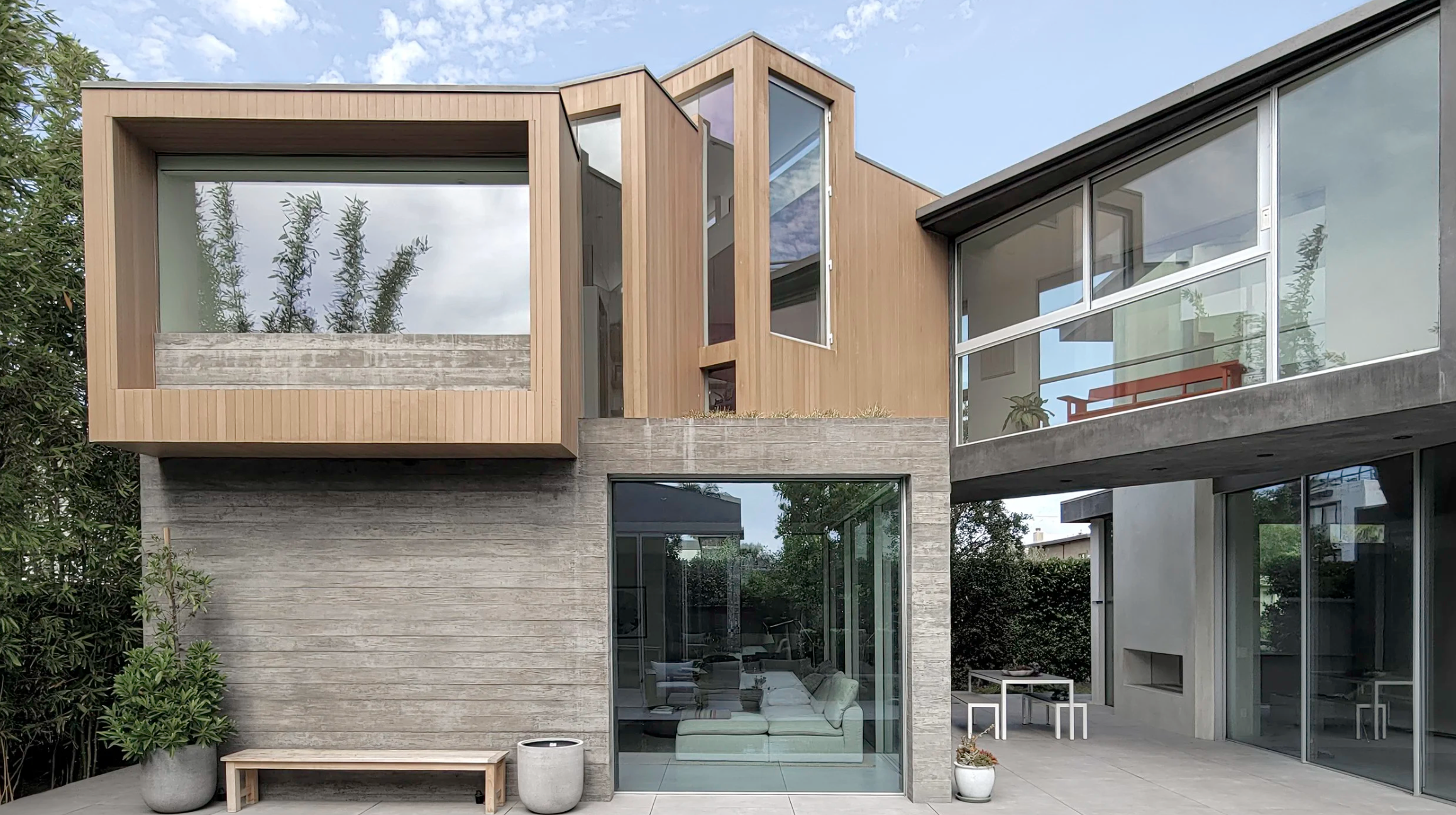
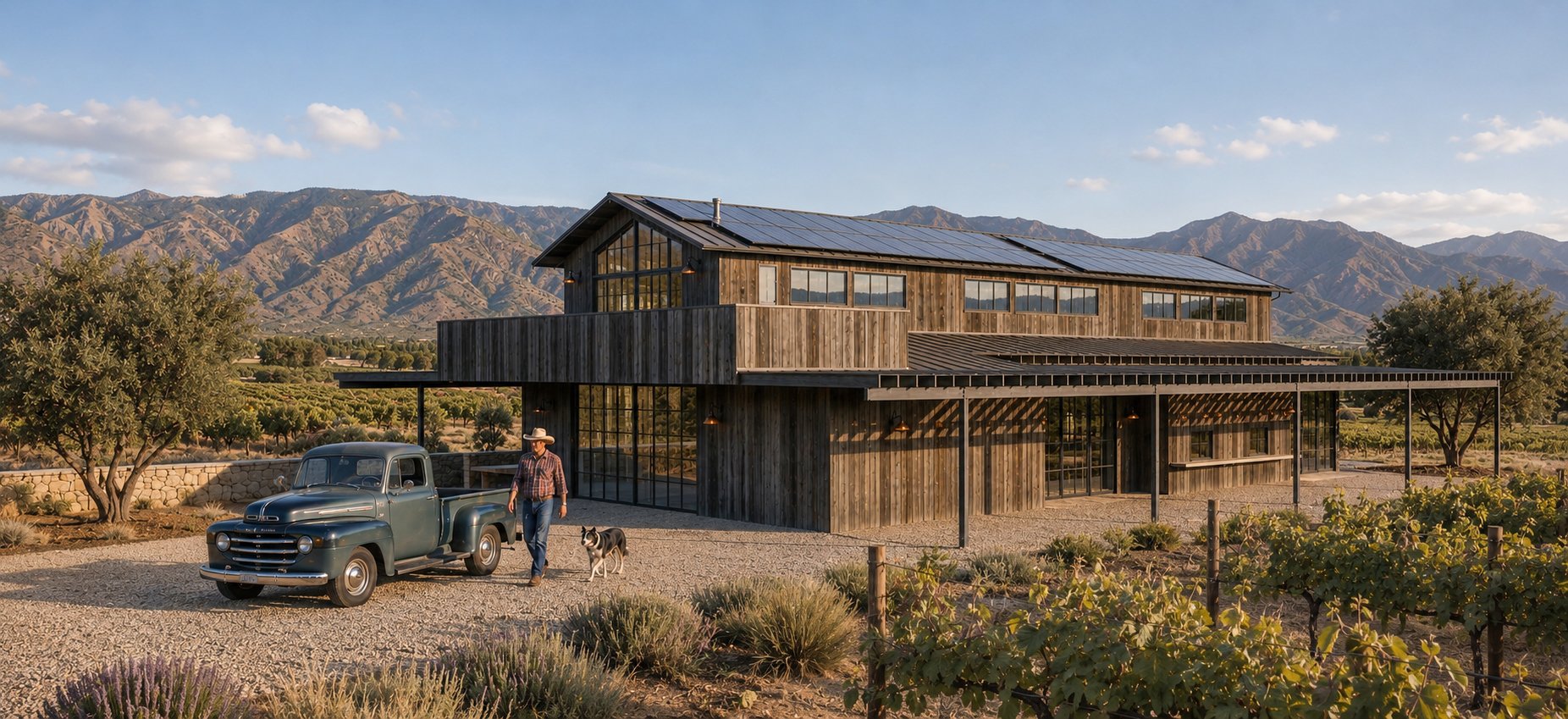
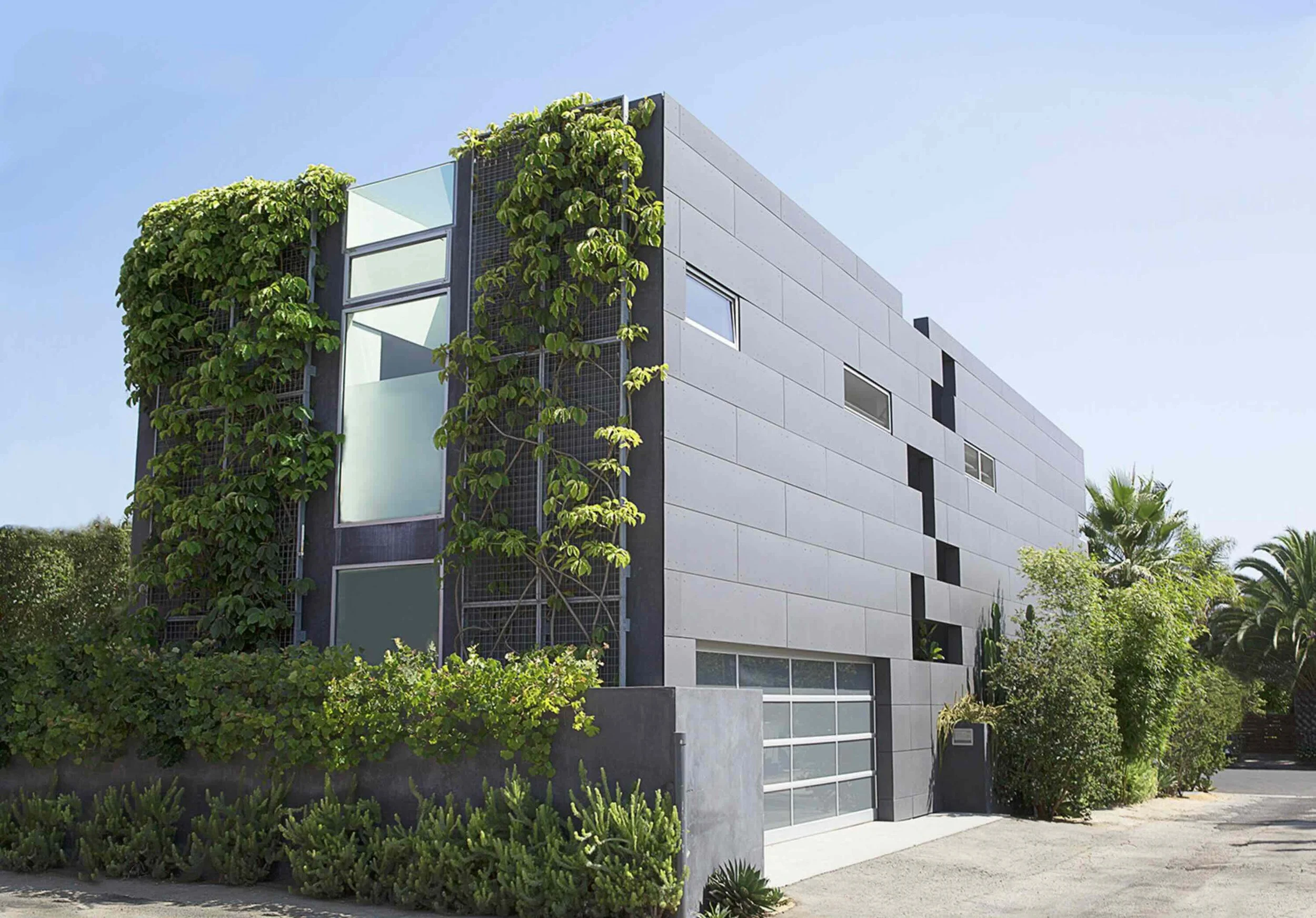
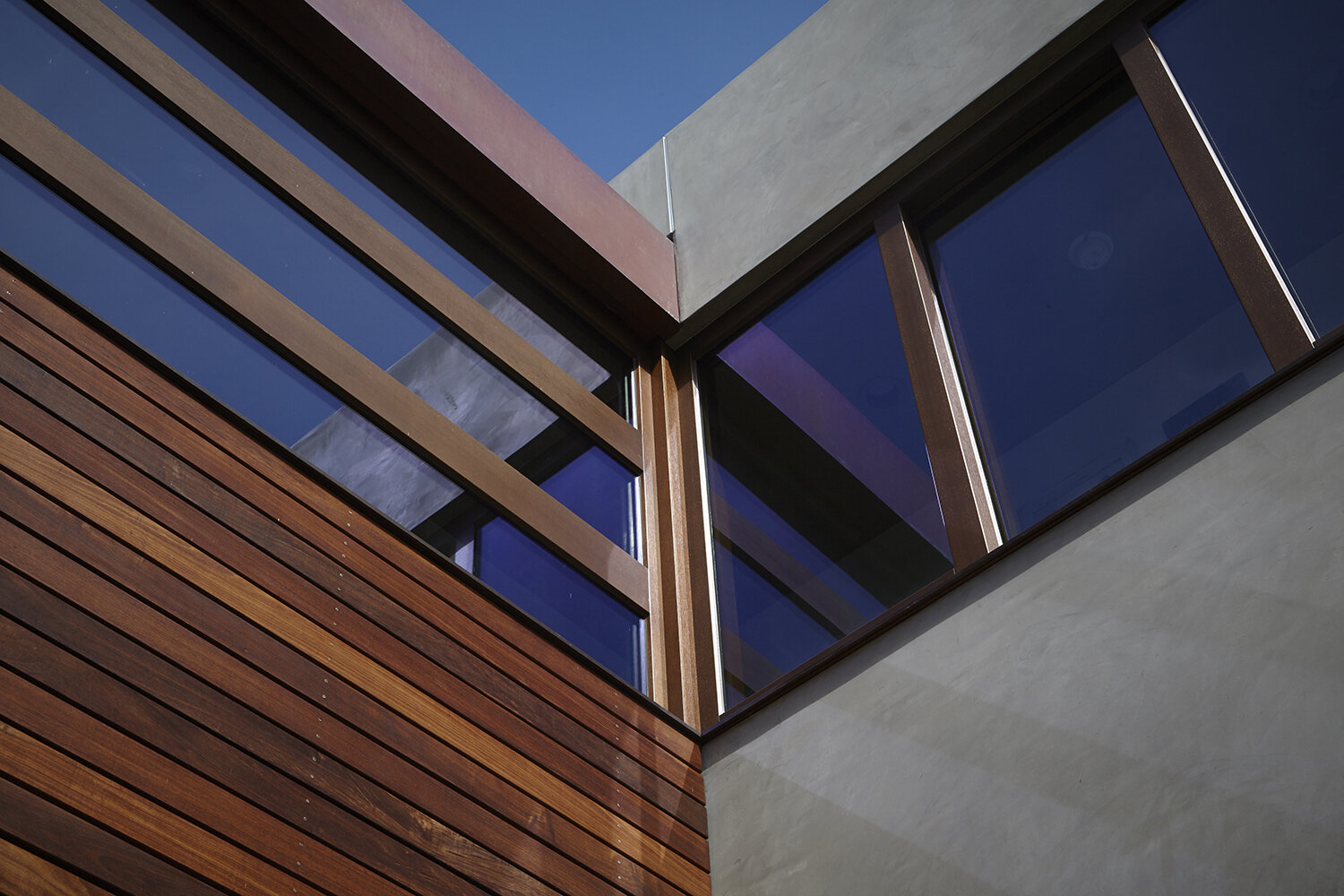
Fire-Resistant Materials: Using non-combustible materials like concrete, steel, and specially treated wood can drastically reduce a building’s vulnerability. Rammed earth and hempcrete are other sustainable alternatives that provide insulation and fire resistance.
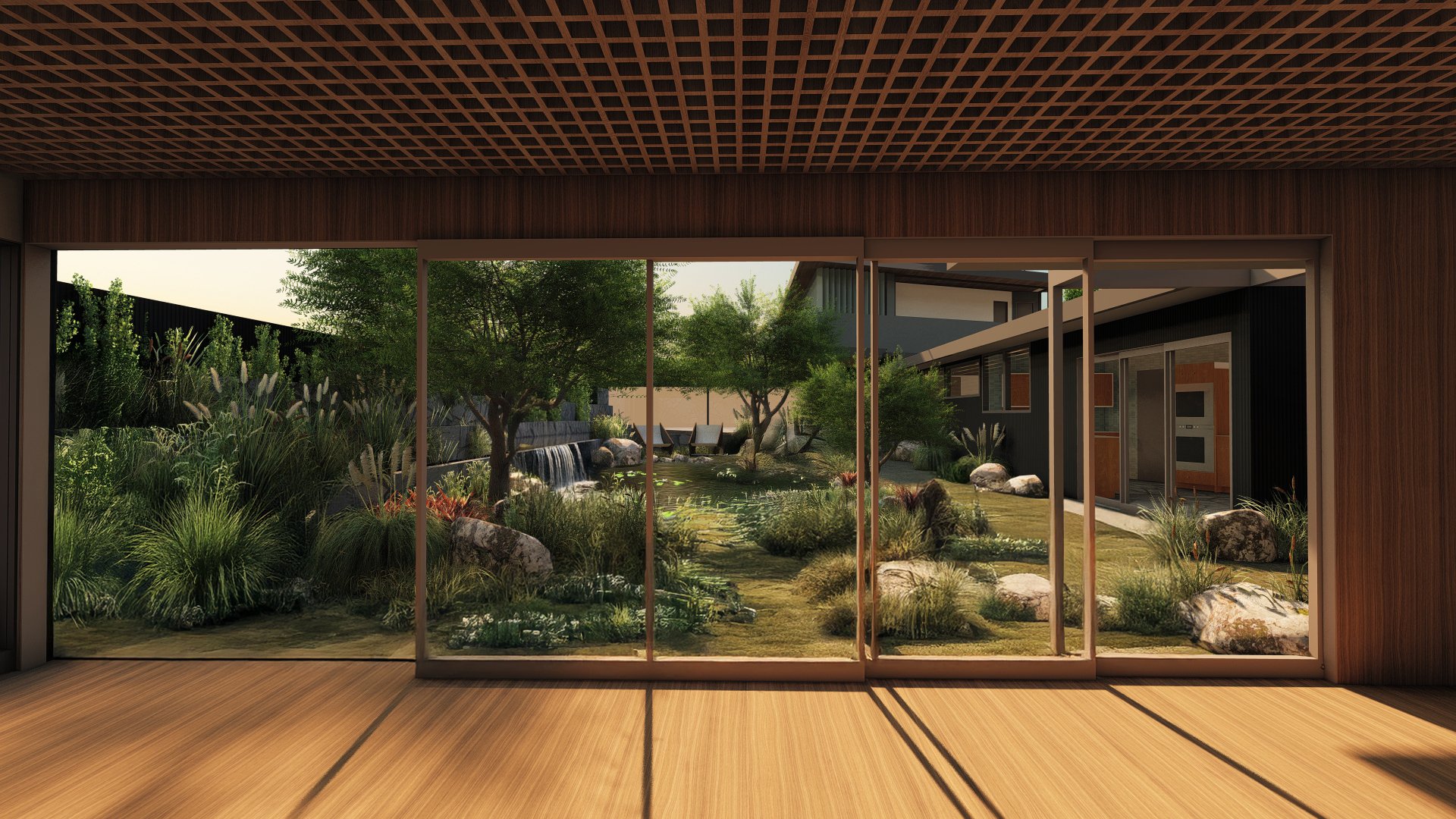
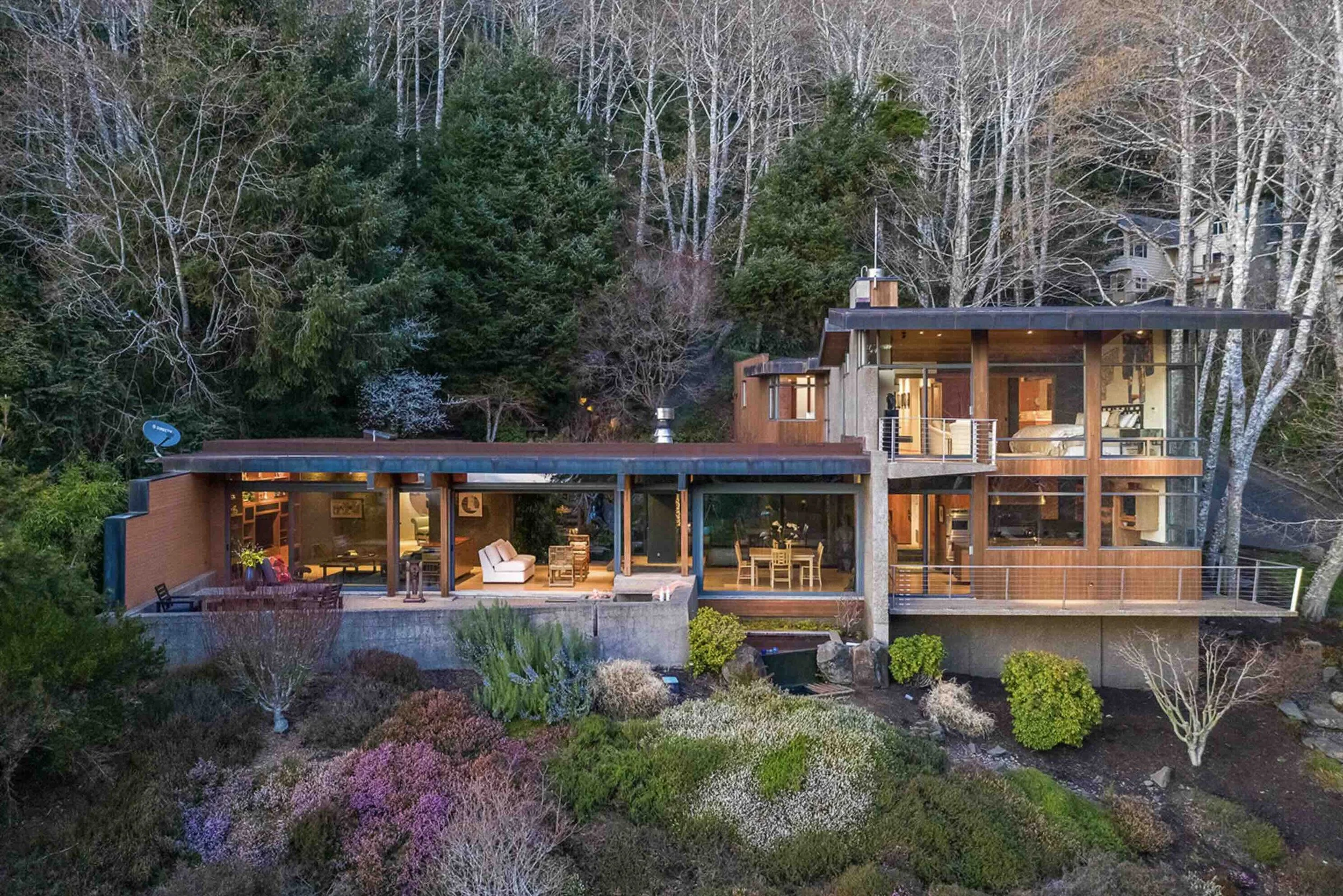
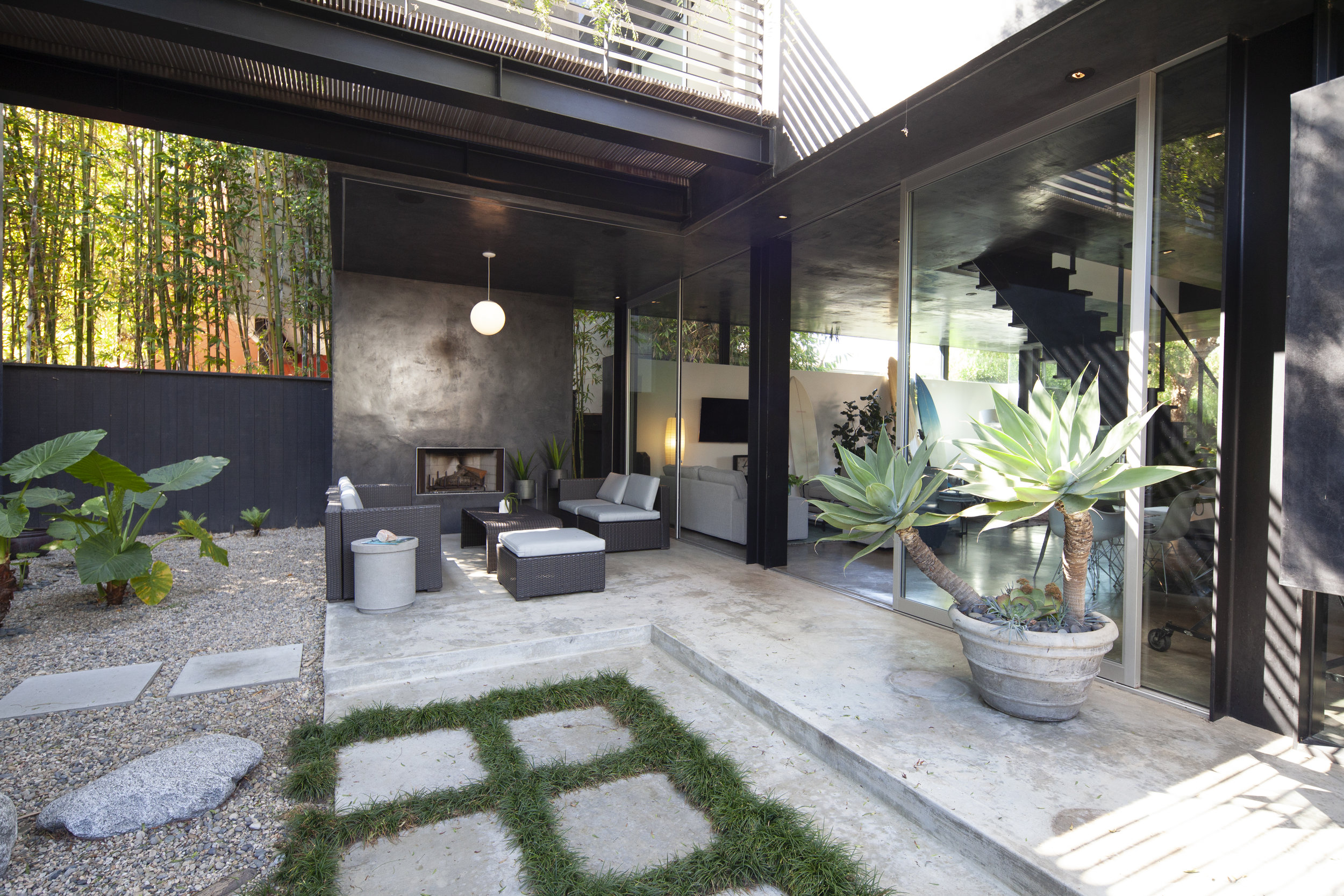
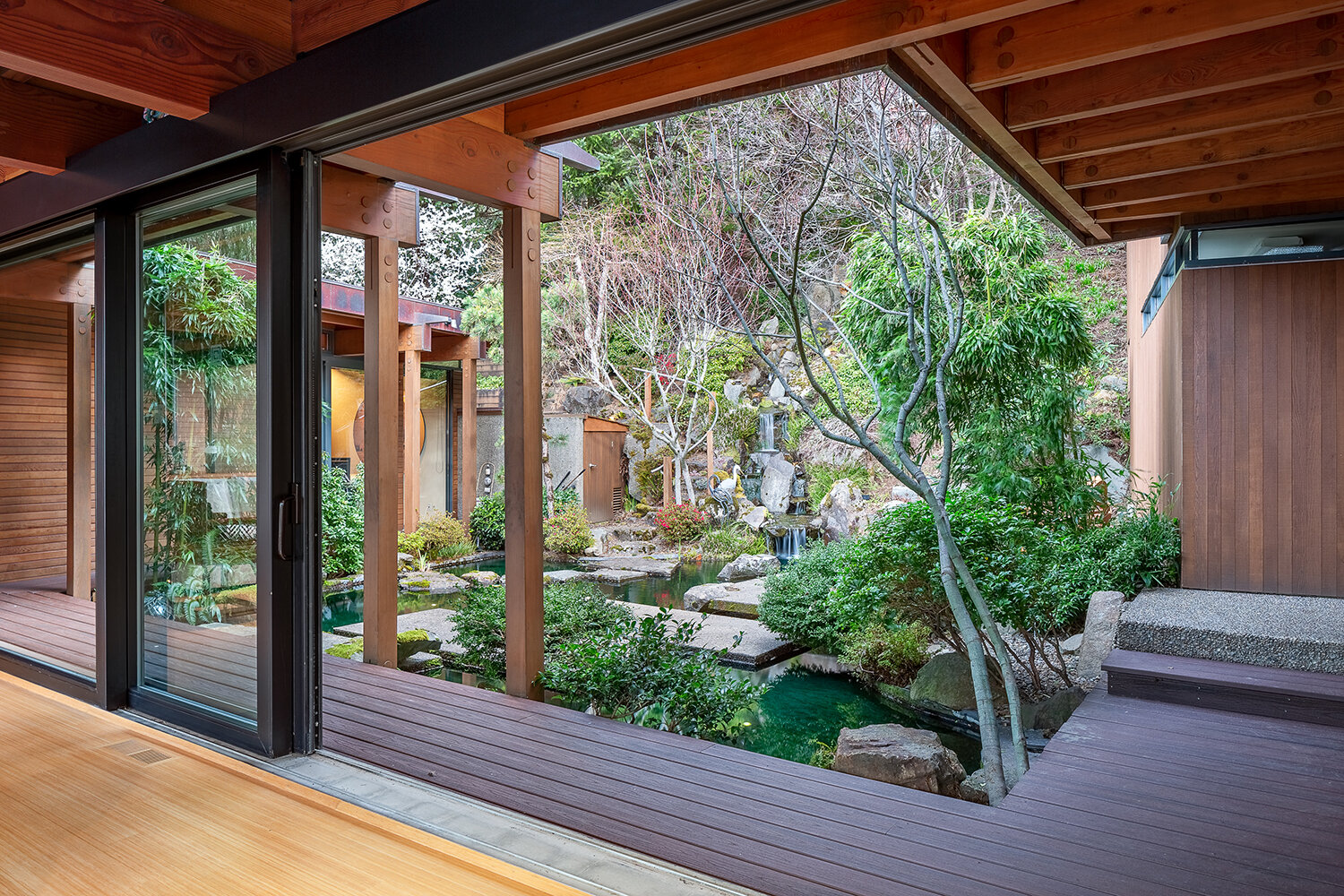
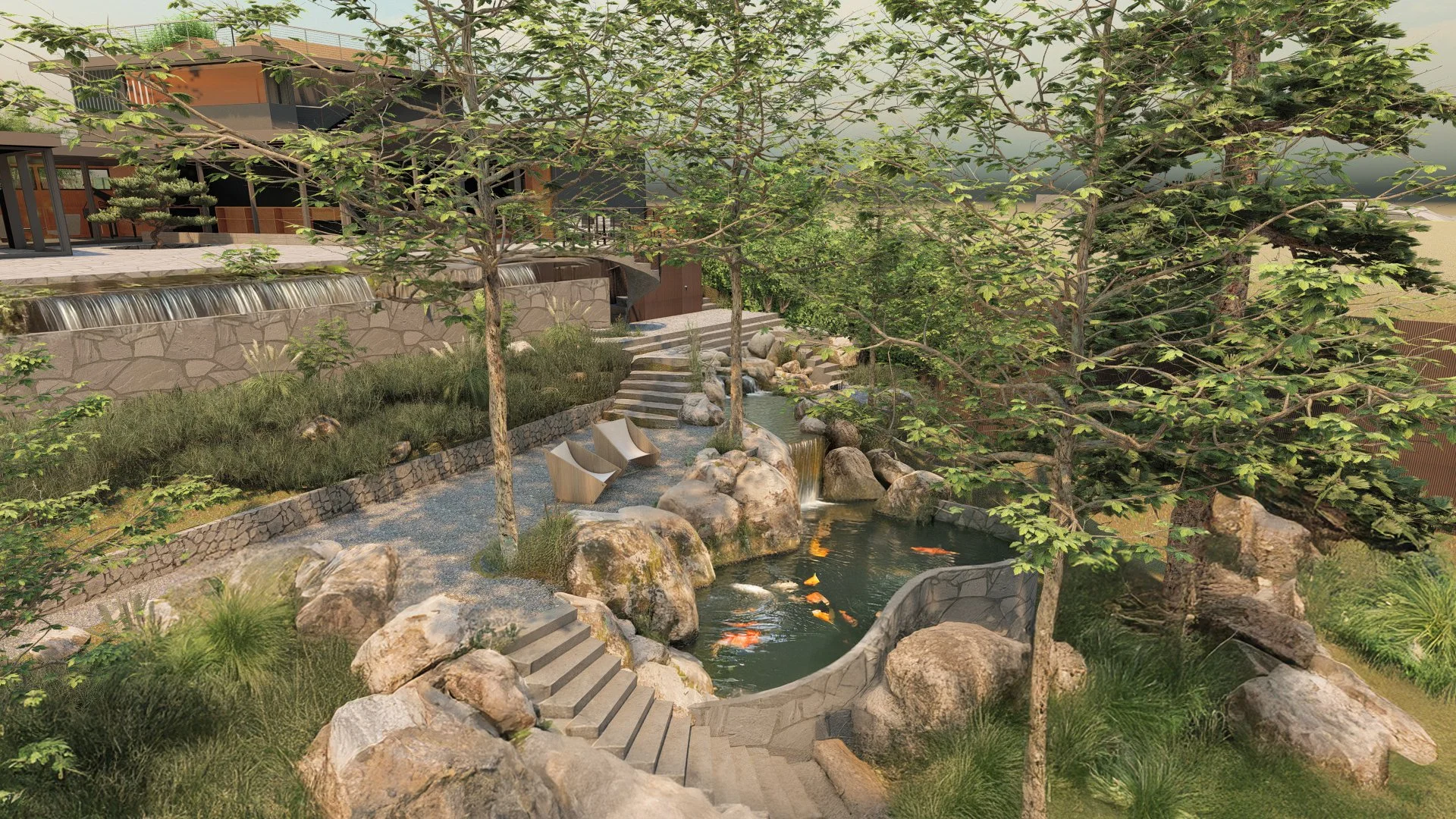
Defensible Space Planning: Strategically designed landscaping can act as a buffer between the home and the approaching fire. Creating defensible space by using drought-resistant, low-flammability plants, gravel paths, and firebreaks helps slow the spread of flames.
Ventilation and Embers Protection: Many homes are lost not to direct flames but to flying embers. Installing ember-resistant vents and eliminating exposed eaves can prevent embers from igniting a structure.
Water Conservation and Storage: Given California’s ongoing drought conditions, capturing and reusing rainwater, integrating greywater systems, and implementing atmospheric water generation technology can provide critical emergency resources.
Self-Sufficient Energy Systems: Solar panels, battery storage, and microgrid technology can ensure that homes remain powered even when the grid is compromised by a disaster.